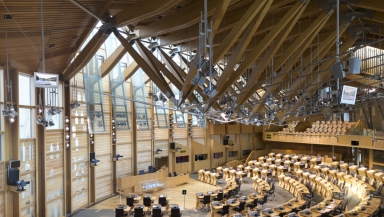
Scotland stands at a pivotal moment. As the Scottish Parliament prepares to vote on the Assisted Dying for Terminally Ill Adults (Scotland) Bill, we must ask what kind of society we want to be. Though presented as compassionate and carefully controlled, this legislation would cross an irreversible moral and legal threshold - one that cannot easily be undone.
Opposition to assisted suicide is not a denial of suffering. It is grounded in ethical principles, real-world evidence, and a serious understanding of human vulnerability. Legalising assisted suicide would weaken our commitment to the value of every life and undermine protections for those most at risk.
A System That Cannot Guarantee Safety
Supporters argue that strict safeguards will prevent abuse. Yet global evidence shows that no jurisdiction has successfully prevented the gradual expansion of eligibility or ensured consistent protection for vulnerable people.
In Canada and the Netherlands, laws initially designed for the terminally ill have expanded dramatically to include those with chronic conditions, disabilities, and - pending expansion in Canada - mental health conditions alone. These outcomes were once dismissed as impossible, yet they occurred. Once society accepts that doctors may intentionally end life, boundaries inevitably shift.
Scotland is not immune to this pattern. Critical safeguards have already been weakened or removed. Amendments requiring specialist training to detect coercion, ensuring access to palliative care first, and protecting healthcare workers with conscientious objections have all been rejected. Even MSPs who once supported the Bill now admit it cannot guarantee safety. If it is unsafe today, it will not become safer tomorrow.
The Subtle but Real Risk of Coercion
Assisted suicide is often imagined as a fully autonomous choice. But autonomy is shaped by fear, loneliness, financial pressure, family dynamics, or the feeling of being a burden. The most dangerous coercion is subtle, unspoken, and impossible to reliably detect.
When an elderly or disabled person says, “I don’t want to be a burden,” the response should be reassurance and support - not a state-sanctioned path to death. No system, however well-intentioned, can identify every instance of hidden pressure. By allowing assisted suicide, the state risks sending the message that some lives are less worth protecting. For those already struggling, that message can become a quiet but dangerous internal voice.
The Impact on Healthcare
The doctor–patient relationship is built on the principle that doctors do not intentionally end life. Assisted suicide erodes that foundation, creating doubt for those who are elderly, disabled, mentally unwell, or isolated.
If patients fear that discussing their suffering might lead to a suggestion of assisted suicide, trust will break down. This is already reported in countries where assisted dying is legal, with some disabled individuals feeling less safe in healthcare settings.
At the same time, palliative care may be further deprioritised. When ending life becomes an option, political and financial pressures can make it the easier choice. Scotland already struggles to provide universal access to quality palliative care; assisted suicide would worsen, not solve, that problem.
True Compassion Means Supporting Life
Compassion is not the elimination of suffering by eliminating the sufferer. True compassion means providing excellent palliative care, emotional and social support, and affirming that every life has inherent worth. Ending life is not mercy - it is a failure to care.
A Line We Must Not Cross
This debate is not only about individual choice but about the ethical identity of our nation. Once the state authorises assisted suicide, it decides that some lives may be deliberately ended. No government should have that power.
Anthony Horan is Director of the Catholic Parliamentary Office.