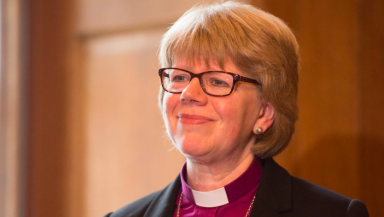
The incoming Archbishop of Canterbury, Dame Sarah Mullally, has warned that plans to legalise assisted suicide would put vulnerable people at risk and present people with a false choice.
Dame Sarah was being interviewed by former Conservative Prime Minister Theresa May, who was acting as the guest editor for the BBC’s Today Programme.
Prior to her clerical calling, Mullally served as England’s chief nursing officer. She spoke of how she had witnessed the final moments of many people in both her medical and spiritual capacities and that even with supposed safeguards, an assisted suicide law would not "protect the most vulnerable in our society".
She echoed the thoughts of another former Prime Minister, Labour’s Gordon Brown, who has warned that by providing a fully funded suicide service, while still neglecting and underfunding palliative care, those with terminal illness would not be presented with a genuine choice.
Mullally said, "Those who support the bill talk about choice. I'm not sure we have choice - we don't properly fund palliative care, we don't properly fund palliative-care research … I'm worried that people may make a decision for assisted dying because they're not having the right palliative care or the right social care."
Theresa May has spoken out against assisted suicide in the House of Lords. During a debate last year she said it made little sense for the government to have a suicide prevention strategy while at the same time facilitating suicide via the NHS.
In Britain there are two separate pieces of legislation proposing legally assisted suicide, one in Westminster and the other in Scotland’s Holyrood parliament.
The Westminster bill is currently being considered by the House of Lords, while in Scotland their bill is at Stage 3, meaning that a final vote on the issue could take place there as early as March, following further amendments and debate.
In a Lords debate on Kim Leadbeater's Terminally Ill Adults (End of Life) Bill last September, Dame Sarah said the proposals were "deeply flawed" and that "to change the law is to change society".
"Any law that introduces choice for a few is not limited in its effect to only those few. If passed, the bill will signal that we are a society that believes that some lives are not worth living," she said.
"The bill would become our state-endorsed position, and our NHS would be active in its delivery. It is the role of the House to scrutinise, but there are no amendments to the bill that could safeguard us completely from its negative effects."