The Catholic Parliamentary Office has reacted with concern to the rejection of a number of proposed safeguards to Scotland’s assisted suicide bill.
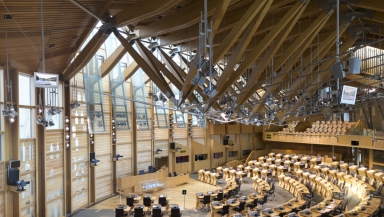
The Assisted Dying for Terminally Ill Adults (Scotland) Bill is currently at Stage 2 of the legislative process, meaning that the Scottish Parliament’s Health and Sport Committee are examining amendments to the proposal. The Scottish legislation is separate to that currently being debated in the House of Lords in Westminster.
Concerns have been raised at the speed of the process, which is currently set to examine all 287 proposed amendments in just three weeks, with just one session per week.
One amendment that has already been rejected is a proposal that would restrict assisted suicide to those with six months or less to live.
Independent MSP, Jeremy Balfour, said that rejecting the amendment left the definition of terminal illness “extraordinarily broad”.
He said, “As it stands it could include individuals who would live not for weeks or months, but for years. People managing long-term conditions, people receiving treatment that stabilises their illness, people who still have meaningful time ahead of them, would all fall within the scope of the Bill as drafted at the moment.”
Labour MSP Pam Duncan-Glancy also took issue with the definition. Diagnosed with juvenile idiopathic arthritis as a baby, and a wheelchair user, Duncan-Glancy said her condition “is not something I’m going to recover from” and that she could be regarded as “terminally ill” under the proposed bill.
The committee also rejected a proposal by Balfour that would exclude people with non-terminal conditions from receiving assisted suicide. As such, under the bill as it stands, eating disorders, loneliness, financial hardship and Down’s Syndrome could all become reasons a person could opt for suicide.
Anthony Horan, Director of the Catholic Parliamentary Office, said that the committee’s decision to reject such safeguards was deeply concerning.
“These amendments were clearly designed to protect some of the most vulnerable people in our communities from being coerced into a premature death; disabled people, those with poor mental health, and people struggling with financial hardship.
“Their rejection is deeply troubling and suggests a direction of travel that should alarm MSPs right across the Parliament," he said.