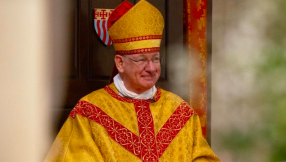
The Church of England’s General Synod has declared its intention to take greater efforts to end poverty.
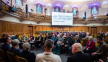
The synod, meeting in London during the week, voted to mark the 40th anniversary of the Faith in the City report, which was commissioned in the 1980s by the then Archbishop of Canterbury, Robert Runcie. The report followed social unrest and urbane decline in the early ‘80s and has been described as a catalyst for social action projects by the Church, such as the Church Urban Fund.
At present, Church of England parishes are involved in running or supporting 31,000 social projects up and down the country, including almost 8,000 food banks and over 3,000 community cafes.
A poll released last December by Christians Against Poverty suggested that nearly a quarter of Britain’s adult population (23 per cent) have received some form of support from a church or Christian organisation in the last five years.
Speakers at the Synod noted that despite these projects, poverty still persists in the nation, with ethnic minorities and the disabled disproportionately impacted.
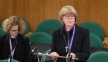
Mark Sheard, from the Archbishops' Council, said, “The awful truth is that there are 14 million people living in poverty in our nation, one in five of our population. And of course each one of those 14 million is a real life person, a woman, a child, a family.
“Each has their story, their own struggles, their own reason to feel hopeless and abandoned by society – and maybe even by God.”
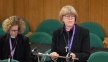
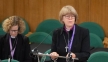
Echoing those views was Rev Lesley Jones, Rector of Jarrow and Simonside, in the Diocese of Durham, who said churches had a duty to make sure those in poverty did not feel abandoned.
She said, “My plea to you is let as many people know as possible what you are doing, that the Church of England cares, because God cares.”