Women affected by leprosy are receiving support and training to regain their independence and challenge discrimination in communities across Asia and Africa.
The Leprosy Mission says initiatives ranging from transport access to community leadership training are helping women overcome the stigma, poverty and isolation that often follow a diagnosis.
The organisation has been encouraging women residing in communities affected by leprosy in India’s Andhra Pradesh state to take advantage of a government scheme offering free bus travel for women.
Aid workers say the policy has opened up new opportunities for those who previously struggled to afford transport or faced discrimination when travelling.
For many women affected by leprosy, even boarding a bus can be daunting.
Visible signs of the disease have historically led to social exclusion, with some people refusing to sit beside them or questioning whether they should be allowed on public transport.
The Leprosy Mission works in a number of India’s estimated 800 leprosy colonies, helping residents understand their rights and build the confidence to participate fully in society.
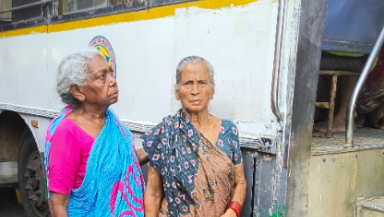
The change has been particularly significant for Sheik Unnisa Begam and Pula Laxmi, who live near Vizianagaram and both have disabilities resulting from leprosy.
They frequently need to visit the city for medical appointments or travel to the charity’s hospital in Salur for treatment - journeys that were once difficult to afford.
Head of Programmes at The Leprosy Mission, Sian Arulanantham, said many women living with the effects of leprosy have gone through years of severe prejudice and trauma.
“It takes real courage to board a bus when, in the past, people have refused them entry or, if allowed, others have refused to share a seat with them because their bodies bear the lasting scars of the disease,” she said.
She added that women often become increasingly isolated following a diagnosis, sometimes falling deeper into poverty.
“Encouraging them to take up initiatives like free bus travel is a huge step towards them regaining their independence and accessing new opportunities” she stated. “So, it’s The Leprosy Mission’s role to ensure the women we work with know about these opportunities that can be truly life-changing for them.”
The charity is also working in neighbouring Nepal through its three-year Dignity First programme, which aims to enhance the wellbeing and dignity of people living with leprosy, disability and destitution.
As part of the project, a team of Female Community Health Volunteers has been bolstered across four districts.
More than 600 women have been trained to identify the first symptoms of leprosy and direct those affected to medical care, helping to reduce delays in diagnosis and limit long-term disability.
Women who receive a leprosy diagnosis are encouraged to join self-help groups where they develop skills in leadership, advocacy and self-care.
One participant, Dullari, from rural Nepal, said joining a self-help group transformed her life after she was diagnosed with leprosy.
At first, she hid her illness from everyone except her husband and felt deep shame about the disease.
When tensions later escalated at home and he reacted violently, she initially believed it was something she simply had to put up with.
Through the group, however, Dullari learned that abuse was neither inevitable nor acceptable.
As she rebuilt confidence and started generating income through training in sustainable farming, she found the courage to speak out about challenges faced by women affected by the disease.
She now serves as vice-president of her self-help group and represents the group’s work in meetings with local authorities, encouraging greater respect and equality for women in her community.
Arulanantham said the impact of empowering women can extend far beyond individuals.
“It strengthens families, reshapes attitudes and helps break cycles of poverty and discrimination that have persisted for generations,” she said.
“Change often begins quietly, with one woman finding her voice. That voice can create a ripple that transforms communities. It is proof that when a woman rises, she rarely rises alone.”
Leprosy remains a major health and social challenge in parts of the world despite being curable.
The disease is caused by a bacterium that damages nerves and, if untreated, can lead to disability affecting the eyes, hands and feet.
According to the World Health Organisation, over 172,000 new cases of leprosy were diagnosed globally in 2024, with more than half recorded in India.
The Leprosy Mission Great Britain operates in nine countries where the disease remains prevalent, combining medical treatment with programmes aimed at improving sanitation, housing, education, employment and social inclusion for those affected.